DMT: Complete Guide to Effects, Dosage, Safety & Research
Disclaimer: This informationis for educational purposes only. DMT is a controlled substance in most countries. Psychapotheke does not condone illegal activity.
What Is DMT? (History)
DMT (Dimethyltryptamine) is a naturally occurring psychedelic compound found in over 60 plant species, as well as in the human body. It belongs to the tryptamine family, chemically related to serotonin and psilocybin.
Historical Use:
-
Indigenous Amazonian cultures have used N,N-Dimethyltryptamine-containing plants (e.g., Psychotria viridis) in ayahuasca brews for ceremonial healing for centuries, if not millennia.
-
Western discovery: First synthesized in 1931 by Canadian chemist Richard Manske. In 1956, Hungarian chemist Stephen Szára independently synthesized it and later self-administered it to study its effects.
-
1970s–1990s: DMT became associated with counterculture and underground psychedelic use.
-
2010s–present: Renewed scientific interest in DMT for mental health research, including PTSD and depression.
📖 Unlike LSD, DMT occurs naturally and has a much shorter duration, making it unique among classic psychedelics.
5-MeO-DMT
5-MeO- (5-methoxy-N,N-dimethyltryptamine) is a distinct but related compound. Unlike DMT, which produces intense visual hallucinations, 5-MeO-DMT is known for:
-
Non-visual, ego-dissolving experiences
-
Extreme intensity — often described as a “whiteout” or “non-dual” state
-
Much higher potency — active at 5–10 mg (vs. 20–40 mg for DMT)
-
Different natural sources: Found in the venom of the Colorado River toad (Bufo alvarius) and several plants
⚠️ Safety warning: 5-MeO-DMT carries higher risks of respiratory distress and psychological trauma if used improperly. Never use alone.
DMT Dosage
Dosage varies significantly based on route of administration and individual sensitivity.
| Route | Threshold | Light | Common | Strong |
|---|---|---|---|---|
| Smoked/Vaped | 10–15 mg | 15–25 mg | 20–40 mg | 40–60 mg |
| Insufflated (rare) | 15–20 mg | 20–35 mg | 35–50 mg | 50–70 mg |
| Oral (with MAOI) | 30–50 mg | 50–70 mg | 70–100 mg | 100–120 mg |
📌 Note: Oral DMT requires an MAOI (e.g., in ayahuasca) to become active, as stomach enzymes normally break it down.
Important:
-
Start low, go slow — even 5 mg differences can dramatically alter experience
-
Set and setting are critical
-
Do not mix with SSRIs, MAOIs, or stimulants
DMT Effects
Physical Effects:
-
Increased heart rate and blood pressure
-
Dilated pupils
-
Dizziness or vertigo
-
Body temperature changes
-
Nausea (especially with oral/ayahuasca)
Psychological Effects:
-
Visuals: Complex geometric patterns, vibrant colors, “hyperspace” environments
-
Time distortion: Seconds can feel like hours
-
Ego dissolution: Loss of sense of self
-
Encounter-like experiences: Entities, beings, or “machine elves” (common in user reports)
-
Mystical-type experiences: Awe, interconnectedness, ineffability
🔬 Unlike LSD, DMT effects are extremely rapid-onset (seconds when smoked) and short-lived, but can feel subjectively much longer.
DMT Safety
Absolute Contraindications:
-
Personal or family history of psychosis, schizophrenia, or bipolar disorder
-
Heart conditions (arrhythmias, uncontrolled hypertension)
-
Pregnancy or breastfeeding
-
Concurrent use of SSRIs, MAOIs, lithium, or stimulants
General Safety Guidelines:
-
Never use alone — have a sober, trusted sitter
-
Use in a safe, comfortable environment — no sharp objects, stairs, or water nearby
-
Avoid driving or machinery for at least 6 hours post-experience
-
Hydrate before and after (but not during, as motor control may be impaired)
How Long Does DMT Last?
Duration depends entirely on route of administration.
| Route | Onset | Peak | Total Duration |
|---|---|---|---|
| Smoked/Vaped | 10–30 seconds | 2–5 minutes | 15–30 minutes |
| Insufflated | 1–2 minutes | 5–15 minutes | 30–45 minutes |
| Oral (with MAOI / ayahuasca) | 30–60 minutes | 60–120 minutes | 4–6 hours |
⏱️ Smoked DMT is often called the “businessman’s trip” due to its short duration, though subjective time dilation can make it feel much longer.
DMT Safety & Harm Reduction
Before Use (If Choosing to Explore — Not Endorsed):
-
Test your substance — Use reagent kits to confirm identity and rule out adulterants (e.g., 5-MeO-DMT sold as DMT, or synthetic cannabinoids)
-
Weigh accurately — Use a milligram scale (±0.001 g)
-
Screen for contraindications — Be honest about mental health history
-
Plan your set and setting — Clean, quiet, familiar space
During Use:
-
Sitting or lying down — Loss of motor control is common
-
No mixing — Especially with alcohol, cannabis, or other psychedelics
-
Sitter remains sober and does not interfere unless necessary
After Use (Integration):
-
Do not drive for 6–8 hours
-
Rest and hydrate
-
Journal or talk through the experience — Integration is where long-term benefit comes from
-
Seek professional integration coaching if the experience was distressing
🧠 Harm reduction is not encouragement. If you choose to use an illegal substance, these guidelines reduce but do not eliminate risk.
DMT Research: Mental Health Applications
Scientific research into the drug therapeutic potential is growing, though still behind psilocybin and MDMA.
Current Areas of Study:
| Condition | Research Status | Key Findings (Preliminary) |
|---|---|---|
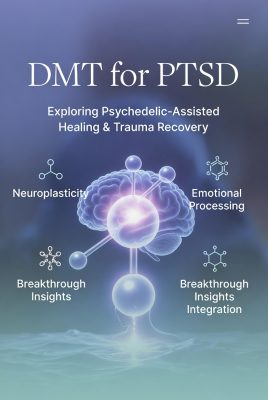
| PTSD | Early-phase trials | May help reprocess traumatic memories via neuroplasticity |
| Treatment-resistant depression | Observational studies | Rapid but short-lived antidepressant effects reported |
| End-of-life anxiety | Small-scale (ayahuasca) | Reduced death anxiety and improved mood |
| Substance use disorders | Preclinical | Potential to disrupt addictive patterns |
| Neuroplasticity | Animal studies | DMT promotes dendritic growth and synaptogenesis |
Leading Research Institutions:
-
Imperial College London — Psychedelic Research Centre
-
Johns Hopkins University — Center for Psychedelic and Consciousness Research
-
University Hospital Basel, Switzerland — Psycholytic therapy research
-
University of São Paulo, Brazil — Ayahuasca studies
The Legal Path Forward:
Currently, it remains remains Schedule I in most countries, meaning no legal medical use outside approved clinical trials. However, regulators are re-evaluating this as evidence mounts.
🔬 Key takeaway: N,N-Dimethyltryptamine shows genuine promise for mental health, but the only legal access route is through approved clinical trials not street purchase.
Frequently Asked Questions
No. Classic psychedelics like DMT are not considered addictive and do not produce compulsive redosing. Tolerance builds rapidly and resets in 1–2 hours.
In predisposed individuals, yes. Those with personal or family history of psychotic disorders should absolutely avoid DMT.
No. Both are psychedelics, but they differ in:
Duration: LSD lasts 8–12 hours; smoked DMT lasts 15–30 minutes
Natural occurrence: DMT is endogenous and plant-derived; LSD is semi-synthetic (from ergot fungus)
Visuals: DMT is often more intense, immersive, and “otherworldly”
yes for personal use anywhere in the US, EU, UK, Canada, or Australia. also available in approved clinical trials
Visit Psychapotheke’s Legal & Research section for clinical trial directories and integration coaching referrals.
Summary Table: DMT vs. LSD (Quick Comparison)
| Feature | DMT | LSD |
|---|---|---|
| Duration (smoked) | 15–30 min | 8–12 hours |
| Onset | Seconds | 20–60 min |
| Natural source | Yes (plants, human body) | No (semi-synthetic) |
| Typical dose (smoked) | 20–40 mg | 50–200 µg |
| Visual intensity | Extreme | Moderate to high |
| Ego dissolution | Very common | Common |
| Research for PTSD | Early-stage | Mid-stage |
Final Word from Psychapotheke
DMT is one of the most powerful psychedelics known to science. Its short duration but profound effects make it unique among consciousness-altering compounds.
We provide this guide for education only.
We not sell N,N-Dimethyltryptamine, we do not encourage illegal use.
If you are struggling with PTSD, depression, or anxiety, please consult a licensed healthcare provider. Legal, evidence-based treatments exist — including ketamine therapy, psychotherapy, and clinical trials.
Psychapotheke — Education. Safety. Research.
Medical & Legal Disclaimer
This content is for informational and educational purposes only and does not constitute medical or legal advice. DMT is a controlled substance in most jurisdictions. Psychapotheke does not promote, endorse, or facilitate the illegal use of any substance. Always consult a qualified healthcare provider for mental health concerns.