

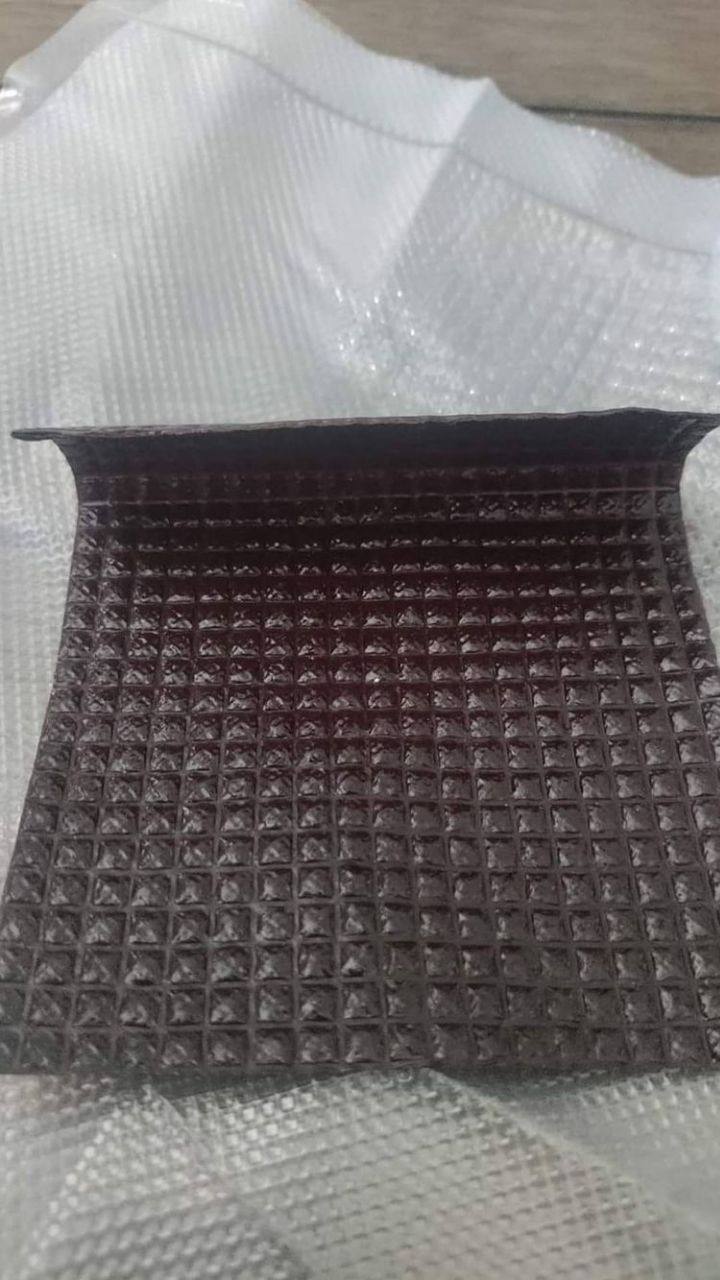
LSD Gel Tabs

Price range: $98.00 through $425.00
Gel TABS are a form of LSD formed by mixing liquid acid with gelatin. also known as window pane acid. gel tabs have a longer shelf life than other acid doses, and they can be very powerful.
DOSE
- Low:25–100 µg (people report feeling some effects with as little as 20 µg)
- Medium (common):100–200 µg
- High:250–300µg
- Heavy:300+ µg
LSD Gel Tabs: Everything to know about Windowpane, Pyramid, Gold Flake, and Gelatin Acid Doses
The landscape of psychedelic culture is dotted with evolving forms of consumption, from the ancient ritualistic teas to the precise droplets of modern liquid suspensions. Among the most storied and, recently, most discussed forms is the LSD gel tab. Often referred to by evocative nicknames like windowpane acid, pyramid gel tabs, or simply gelatin acid tabs, these translucent carriers represent a fascinating middle ground between the old-school paper blotter and the raw power of liquid LSD.
If you’ve encountered these small, shimmering squares or pyramids and wondered what they are or if you’re simply a dedicated psychonaut seeking a complete understanding this article will walk you through the complete world of LSD gel tabs. We will explore their chemistry, compare them to traditional blotters, delve into critical dosage and safety protocols, and help you separate myth from reality.
What Exactly Are LSD Gel Tabs?
At its core, an LSD gel tab is precisely what it sounds like: a dose of lysergic acid diethylamide (LSD) suspended in a thin gelatin matrix. While traditional blotter acid consists of absorbent paper soaked in an LSD solution and then dried, gel tabs are created by mixing liquid LSD directly with gelatin and water before allowing the mixture to harden and cutting it into individual doses.
This might sound like a recent innovation, but the concept is far from new. Counterculture veterans often recall them from the 1970s and 80s. One former hippie from Los Angeles recalled that “it was pure LSD dropped into gelatin… We called it Windowpane; it looked like a tiny pane of glass.” While younger generations may see them as a novelty, they are actually a classic piece of LSD history, now enjoying a resurgence thanks to underground chemistry.
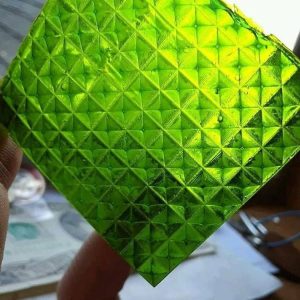
The resulting tab is typically about the size of a standard blotter square (roughly a quarter of an inch), but it is slightly thicker and possesses a distinctive, often shiny or translucent appearance. Depending on the specific manufacturing technique, these gel tabs can have a smooth, gummy consistency similar to a piece of Jell-O, or a harder, more plastic-like texture. They come in a surprising variety of forms, including clear squares (windowpanes), colored three-dimensional shapes (blue pyramids or green pyramids), and even tabs flecked with cosmetic gold flakes.
The Science of Storage: Why Gelatin?
The choice of gelatin as a carrier for LSD is not merely aesthetic. It offers a significant chemical advantage: stability. LSD is a notoriously fragile molecule, highly susceptible to degradation from exposure to ultraviolet (UV) light, oxygen, heat, and moisture.
Rachel Nguyen, a project manager for the harm reduction organization Bunk Police, explains that “the gelatin preserves the LSD better than a blotter or a liquid and helps avoid evaporation or degradation from light or air exposure.”This molecular armor means that LSD gel tabs have a dramatically longer shelf life than their paper counterparts. While a poorly stored blotter can lose potency in weeks or months, a gel tab kept in proper conditions can retain its full strength for a much longer period.
This increased stability is the primary reason manufacturers and experienced users alike might prefer gels, especially for long-term storage. The gelatin matrix encapsulates the active molecule, buffering it from environmental assault and ensuring that the dose you take today will be as potent as the day the tab was made.
Gel Tabs vs. Blotter Paper: A Critical Comparison
Understanding the differences between gel tabs and blotter tabs is crucial for anyone navigating the modern LSD market. While the active ingredient lysergic acid diethylamide is identical, the delivery system changes several key parameters: onset time, storage, and, most critically, potential potency.
| Feature | LSD Gel Tabs (Windowpane Acid) | LSD Blotter Paper (Blotter Acid) |
|---|---|---|
| Base Material | Thin, LSD-infused gelatin square. | Absorbent paper soaked in LSD solution. |
| Typical Dose Range | 100–200 mcg (commonly, but can hold up to 500+ mcg). | 60–100 mcg (commonly, can hold up to 150–200 mcg). |
| Onset of Effects | Faster, often within 15–30 minutes. | Slower, typically 30–60 minutes. |
| Storage Stability | Excellent. Gelatin protects from light, air, and humidity. | Poorer. Prone to degradation from UV light, oxygen, and moisture. |
| Texture | Gummy or hard plastic, often shiny/translucent. | Fibrous, paper-like, usually printed with a design. |
| Precise Dosing | Very easy to cut for microdosing due to uniform gel matrix. | Possible to cut, but distribution can be less perfectly even. |
The single most important distinction lies in the potency potential. As noted by James Giordano, a professor of neurology and biochemistry at Georgetown, gel tabs are physically capable of holding a higher concentration of LSD. A single gel tab can easily contain anywhere from 150 to 250 micrograms, and in some extreme cases, can hold up to three times the dose of a standard blotter. A blotter from the 1960s might have averaged 100-200 mcg, but today’s street blotters are often less frequently ranging from 60-100 mcg. This means that an unwary user who assumes a gel tab has the same strength as a familiar blotter is at a much higher risk of a wildly more intense and potentially overwhelming experience.
Navigating the Landscape: Types of LSD Gel Tabs
You’ll rarely hear them called just “gel tabs” in the community. Their street names are often tied to their physical appearance, which can serve as a loose branding mechanism in the unregulated market.
-
Windowpane Acid (Windowpane LSD): The classic term from the 70s and 80s. These are clear, thin, square gel tabs that resemble a tiny pane of glass. They are usually tasteless and colorless, representing the purest aesthetic of gelatin acid.
-
Pyramid Gel Tabs (Blue/Green/Purple Pyramids): These are three-dimensional, pyramid-shaped gel tabs that have become a common sight in the 21st-century market. They are often brightly colored, with some of the most famous being blue pyramid gel tabs with gold flecks.User reports, such as one from Erowid detailing an experience with “blue pyramid gel tabs,” suggest a highly visual and clean trip.
-
Gold Flake Gel Tabs: A purely cosmetic addition where tiny, edible gold-colored flakes are embedded in the gelatin. While visually striking, the gold flakes have no psychoactive effect and are simply a marker of a specific production batch. Historically, the Spokesman-Review reported on a “designer acid” trend involving gold flakes as far back as 1995.
It is critical to understand that color, shape, and design are not reliable indicators of quality or purity. They are marketing. A blue pyramid and a colorless windowpane from the same chemist could contain identical LSD.
The LSD Gel Tab Experience: Effects and Timeline
The subjective effects of LSD are famously dependent on “set” (mindset) and “setting” (environment). However, the delivery mechanism of gel tabs does introduce some nuanced differences to the experience timeline.
Gel tabs initiate their voyage faster. While the onset for a blotter placed under the tongue might take a slow, creeping 30 to 60 minutes, a gel tab, due to the rapid dissolving properties of gelatin, can begin to produce noticeable effects in as little as 15 to 30 minutes.
A classic LSD trip, regardless of format, follows a general arc:
-
Onset (15–45 minutes for gels): Physical sensations of tingling restlessness, slight nausea, or euphoria. Pupils begin to dilate.
-
The Come-Up (45–90 minutes): Effects build in intensity. Visual distortions begin, often with moving patterns on surfaces, increased brightness, and a sense of the world “breathing.” Users may feel a mix of anxiety and excitement.
-
Peak (2–4 hours): The effects hit their maximal strength. This is where deep visual hallucinations, profound alterations in thought, synesthesia (seeing sounds, hearing colors), and ego dissolution can occur.–
-
Comedown (6–12 hours): A gradual return to baseline. The peak subsides into waves of intensity becoming “more and less intensive” in a gradual decline. Residual visual effects and a contemplative, “afterglow” state can last until the user finally sleeps.
The entire journey typically lasts 8 to 12 hours, though higher doses, which are a distinct possibility with gel tabs, can both extend the duration and deepen the peak to levels that can feel “more destabilizing.”–
The Critical Art of Dosing LSD Gel Tabs
Because gel tabs can hold much more LSD than blotters, understanding dosage is the single most essential harm reduction practice. The difference between 100 micrograms and 300 micrograms is not just a bit “stronger”; it’s the difference between a manageable recreational experience and a complete, perhaps terrifying, ego-death spiral.
-
Microdose Range (10–25 µg): A sub-perceptual dose used for cognitive enhancement, creativity, and mood improvement. A user would cut a single gel tab into 1/8th or smaller pieces. No psychedelic trip occurs. This is the dose range often referenced by professionals in Silicon Valley.
-
Threshold / Light Dose (25–75 µg): Mild visual changes, enhanced colors, and a noticeable shift in sensory perception without full immersion. Useful for gentle social or creative settings. The standard dose of a blotter in the 1960s was often in this range.
-
Standard / Common Dose (100–200 µg): This is the classic, full-blown LSD trip for many users, characterized by intense visuals, deep introspection, and a rich psychedelic experience. This is the range within which most gel tabs are dosed, though some may be higher.
-
Strong Dose (250–400 µg): An extremely powerful experience. Visuals can become overwhelming, with intricate patterns on every surface and a profound alteration of reality. The Erowid trip report “Searching for the Peak of Hedonism” details a user taking two 200 µg gel tabs (a 400 µg total dose) and experiencing a world that “appeared decorated like a fancy cake. everything adorned with intricate patterns.” For most, this is not recreational.
-
Heroic / Overdose Range (400+ µg): At these levels, ego dissolution is almost guaranteed. The user may lose all sense of self, time, and place. While not physically lethal like an opiate overdose, the experience can be psychologically overwhelming, leading to panic, paranoia, and lasting psychological trauma.
The adage “start low and go slow” is a life-saving mantra. Given the unknown and potentially high potency of any unregulated gel tab, it is reckless to assume a single tab is a “standard” dose. Always start with a fraction perhaps half or even a quarter of a tab to assess its potency before committing to a full one.
Risks, Side Effects, and the Specter of a Bad Trip
LSD is physiologically non-toxic and does not cause fatal overdose in the classic sense. However, the risks associated with it, and especially with the high-potency format of gel tabs, are largely psychological and can be severe.
Physical Side Effects:
These are common, especially during the come-up, and include dilated pupils, increased heart rate and blood pressure, elevated body temperature, tremors, nausea, sweating, loss of appetite, and sleeplessness.
Psychological Risks:
-
Bad Trip: The most common acute risk. This can manifest as intense anxiety, fear, paranoia, panic, and terrifying hallucinations. A bad trip on a high-dose gel tab can be a traumatizing event, with users feeling they are dying or losing their minds permanently. A guide from Spark to Recovery notes that these episodes can “induce panic and paranoia, sometimes leaving lingering emotional scars.”
-
Hallucinogen Persisting Perception Disorder (HPPD): A rare but serious condition where visual disturbances from the trip recur without warning (“flashbacks”), potentially causing long-term anxiety and disorientation.–
-
Precipitating Mental Illness: In individuals predisposed to or with latent psychotic disorders like schizophrenia, a powerful psychedelic experience can trigger the first episode, potentially leading to prolonged psychotic reactions.–
-
Impaired Judgment: Under the influence, users may take dangerous physical risks they would never consider while sober.
Perhaps the greatest external risk is adulteration. Since gel tabs can hold a high concentration of active ingredients, they are an ideal medium for even more potent and genuinely dangerous psychedelic stimulants. The most notorious are the NBOMe compounds (e.g., 25I-NBOMe), which can be lethal at doses only a few times higher than an active trip. The DrugsData lab has documented instances where samples sold as “LSD” gel tabs were, in fact, or contained, other chemicals, including 25I-NBOMe.– Unlike LSD, you can fatally overdose on an NBOMe. This makes testing any unknown gel tab an absolute necessity, not a luxury.
Safety First: How to Identify and Test LSD Gel Tabs
You cannot identify a pure LSD gel tab or a dangerous adulterated one by sight, taste, or feel. The myth that “if it’s bitter, it’s a spitter” (referring to the mildly numbing, bitter taste of NBOMes) is helpful but insufficient, as some gels may have a slight taste from the gelatin or dyes.
The only reliable method is reagent testing. Harm reduction organizations like Bunk Police and DanceSafe recommend a multi-reagent process for gel tabs:
-
The Ehrlich Reagent: This is the primary test for identifying the presence of an indole alkaloid like LSD. A positive result turns the reagent purple. If there is no color change, the sample does not contain LSD.
-
The Hofmann Reagent: A secondary confirmation for LSD, which should turn blue.
-
The Marquis Reagent: A crucial follow-up test to rule out NBOMes and DOx compounds. LSD produces an olive-black reaction, while NBOMes and others show different color changes (e.g., an orange reaction could indicate an NBOMe).
Sending a sample to a public-benefit drug-checking laboratory like DrugsData (formerly EcstasyData) is the gold standard. For a fee, they can use GC/MS to provide a definitive identification and quantification of what is in a gel tab, from a teal blue gel tab with gold glitter to a green pyramid.
Microdosing: The Practicality of Gels
For the microdosing community, gel tabs present a double-edged sword. On the one hand, their uniform, three-dimensional structure makes them physically easier to cut into precise segments than a flimsy piece of paper. This would theoretically allow for more accurate volumetric dosing by division.
On the other hand, their substantially higher potential potency makes that division more critical and more dangerous. If a blotter has 80 mcg, cutting it into eighths yields roughly 10 mcg per microdose. If a gel tab has 300 mcg, an eighth is now 37.5 mcg a dose that is no longer sub-perceptual and would produce a mild but noticeable psychedelic effect, which is not the goal of a true microdose.– An individual microdosing with a gel tab must be hyper-aware of the total dose and divide it accordingly, perhaps using a tenth (30 mcg) or even less, depending on the tab’s estimated strength.
The Legal Stance and The Darknet Trade
There is no gray area with the law. In the United States, LSD is classified as a Schedule I controlled substance, defined as having a high potential for abuse and no currently accepted medical use.– This classification, which places LSD in the same legal category as heroin, applies regardless of whether the molecule is on paper, in a gelatin tab, or in liquid form. Possession, distribution, and manufacturing carry severe penalties, including decades-long prison sentences.
The modern resurgence of gel tabs, with their visually distinct blue pyramids and gold flakes, is often fueled by commerce on darknet markets (DNMs). Accessible via anonymizing networks like Tor, these online black-market bazaars allow vendors to advertise their products globally, with gel tabs often marketed as a “premium,” more shelf-stable product. A 2022 news report detailed a New Zealand darknet dealer, “freshkiwiproduce,” who advertised LSD for $7 per tab, illustrating the international scale and business-like nature of this illegal trade.
Conclusion: The Future of LSD or a Fading Fad?
LSD gel tabs are a remarkable piece of psychedelic history and chemistry simultaneously. They are a testament to the ingenuity of clandestine chemists, who solved a real-world problem the fragility of the LSD molecule with a simple, elegant, and effective gelatin matrix. From the classic clear windowpanes of the 70s to today’s colorful gold-flecked pyramids, they represent a continuous thread in the tapestry of acid culture.
Whether they represent “the future of LSD,” as some suggest, is debatable. Their superior shelf life, faster onset, and capacity for higher doses offer clear advantages. Yet, that same capacity for higher doses is precisely what makes them a more dangerous playing field for the uninitiated or the unwary.
Approaching the subject of LSD gel tabs is an exercise in separating romantic subcultural lore from sober, scientific reality. If one is going to engage with them, the experience must be governed not by the tab’s colorful appearance, but by a strict ethic of harm reduction: start with a dose far lower than you think you need, invest in a reagent testing kit, and treat the latent power of that small gelatin square with the profound respect it commands.
3 reviews for LSD Gel Tabs
Add a review
Related products

BUY LSD
BUY LSD
BUY LSD
BUY LSD

BUY LSD
Angel Francesca –
My Gel tabs came in on time and I had 2 extra tab from the store . Their instructions were explicit to the core and I had my settings in tact. Mad respect
Melvis Belgina –
Got my Gel package in time . I had lots of questions about shipping and delivery , but their live agent was helpful to the core
Karen Brittle –
Brilliant experience all around, many orders with this company also visit the store when in the area.
Wouldn’t shop anywhere else for my designer goods!
Keep doing what you’re doing!